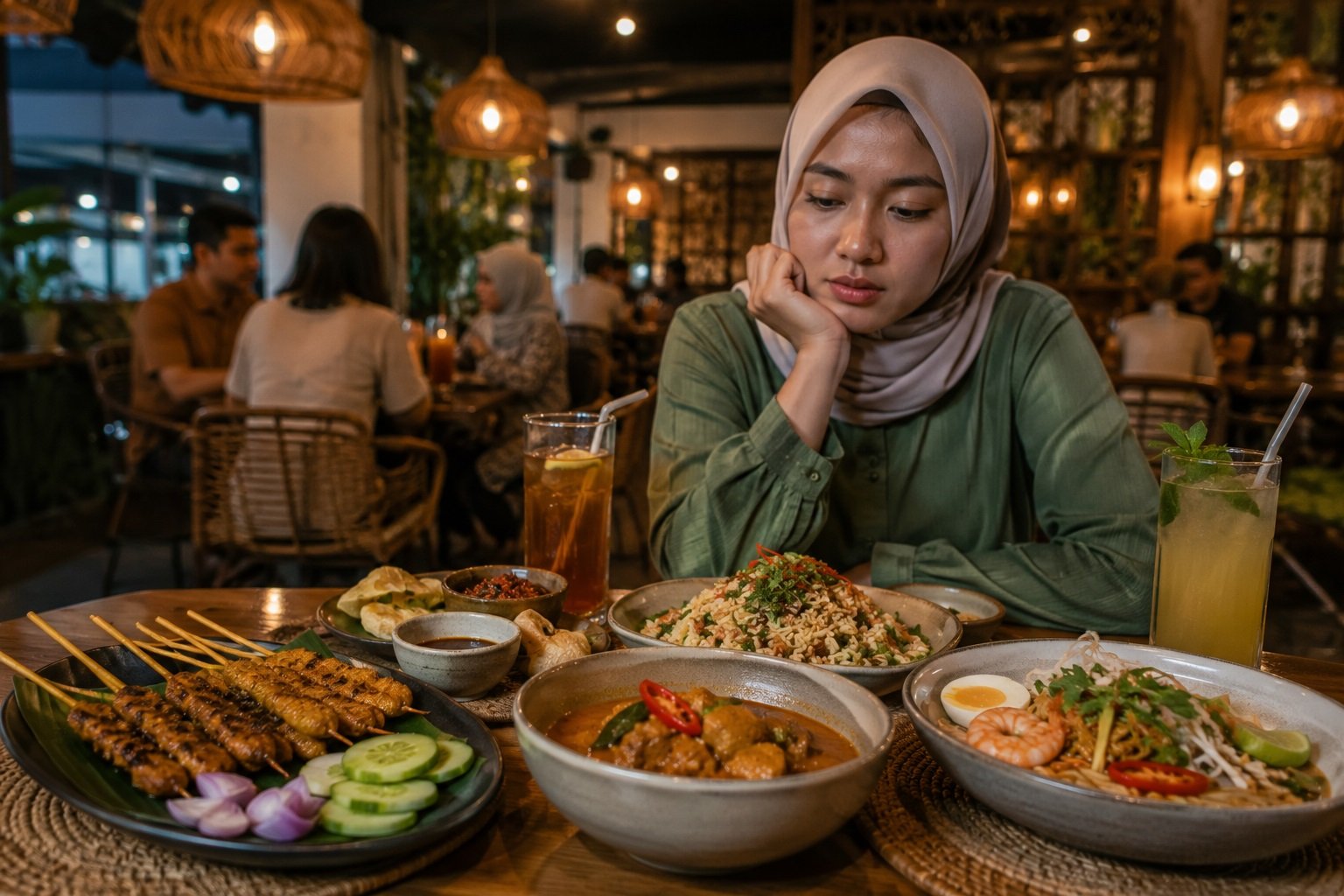
I walked into a Thai restaurant last month, craving real pad thai. The menu looked great, the food looked great, but something felt off. The shrimp paste smelled wrong. The server could not tell me where the beef came from. I left hungry and annoyed.
This happens more than you think. Finding authentic Southeast Asian food that is fully Halal is tough. The flavors are there sometimes. The certification is not. Or the certification is there, but the flavors fall flat. You end up choosing between taste and faith. That should not happen.
I have eaten my way through Malaysia, Indonesia, Thailand, and Singapore. I have talked to chefs and suppliers. Here is what I learned.
Real Problems Restaurants Deal With
First off, there is no single global Halal rule. Every country does its own thing. Singapore uses MUIS. Malaysia uses JAKIM. Indonesia uses BPJPH. These rules do not match up.
A spice blend that passes in Kuala Lumpur might fail in Jakarta. This drives chefs crazy. They need multiple certs for one menu. That costs money. Small restaurants cannot afford it.
Then you have the supply chain mess. Shrimp paste from Vietnam. Fish sauce from Thailand. Curry powder from India. These items travel through warehouses that also handle pork or alcohol. One slip and the whole batch is ruined.
I spoke with a chef in Penang last year. His Halal-certified coconut milk costs 40% more than regular stuff. His certified beef costs 35% more.
Why Southeast Asian Food Actually Works Great for Halal
Here is the good news. Southeast Asian food fits Halal rules better than most cuisines.
Rice is the base of almost every meal. Rice is naturally Halal. Coconut milk, which is naturally halal, replaces cream in curries and desserts. On the other hand, lemongrass, galangal, turmeric, and kaffir lime leaves build deep flavor. Luckily, all of these are plants and are naturally Halal.
Since grilling and stir-frying are the main cooking methods, you do not need wine for deglazing.
A wok and some oil get the job done. Malaysian rendang uses coconut milk and spices. Indonesian gado-gado uses peanut sauce and veggies. Thai green curry uses coconut milk and basil. These dishes need almost zero changes to become Halal.
The only tricky part is protein. Beef, chicken, lamb, and goat are already stars in this region. You just need them from certified suppliers. Fish and seafood are huge in coastal areas. They need even less paperwork. If a restaurant sources right, the menu stays authentic and fully compliant.
How to Spot the Real Deal
I have been burned before. Fake certification, weak flavors, lazy shortcuts. Now I check a few things before I sit down.
Look at the certification body. Real certs have numbers you can verify online. Window stickers mean nothing without backup.
Read the menu closely. Generic Asian dishes are a red flag. Real spots list specific items. Penang char kway teow, Padang rendang, Isaan som tam; these names tell you the chef knows their stuff.
Ask about ingredients. Where does the shrimp paste come from? Is the beef certified? A good owner loves these questions. A bad owner gets nervous.
Watch the crowd. If you see Malaysian families, Indonesian students, Thai workers, this is your cue to take a seat. If the diaspora eats there, the food is probably legit. They know what home tastes like.
Conclusion
Finding 100% Halal authentic Southeast Asian food is hard, but not impossible. The challenges are real.
But the food itself is built for Halal success. Rice, coconut, herbs, and spices form a natural foundation. The global market is exploding with opportunity. Smart restaurants are stepping up with authentic ingredients, plants, herbs, aromatics, and flavors.
Turkey Berry serves halal food that is authentic in flavor. The starters to dessert are a complete experience and an explosion of flavors.
Frequently Asked Questions
What are the biggest challenges restaurants face when sourcing authentic, Halal-certified ingredients for Southeast Asian recipes?
Certs differ in every country. Supply chains mix Halal and non-Halal items during shipping. Authentic ingredients like shrimp paste often come from uncertified sources. Small kitchens lack space and money for separate storage. Audits and training add huge costs that many owners cannot handle.
How does Southeast Asian cuisine naturally adapt to strict Halal standards without losing its traditional heritage and flavor?
Rice, coconut milk, herbs, and spices need zero changes. Grilling and stir-frying avoid wine and lard. Coconut milk replaces cream in curries and sweets. Spice blends use plants only. Beef, chicken, lamb, and fish already dominate the protein scene. The cuisine was almost built for Halal rules from day one.
Why is there a growing global demand for premium Halal dining options that focus on authentic regional flavors rather than fast food?
Muslim populations keep growing. Non-Muslims trust Halal certs for quality. Food tourists want real regional meals, not generic fast food. 2026 trends favor specific cuisines like Nyonya or Southern Thai over broad Asian fusion. Diners pay more for expertise and cultural depth.