The wild mix of natural oils in local plants creates that unmistakable scent of Southeast Asian food. If you step into a kitchen in Bangkok or Jakarta, the air grabs you immediately. Honestly, the smell tells a whole story before you even grab a spoon.
The amazing sensory experience relies on a clever mix of local ingredients. Many of these deep food traditions fit perfectly with clean lifestyle choices, which makes checking out the Turkey Berry Halal Food super helpful for hungry diners.
Let’s dive today into the everyday science and human magic behind these incredible smells.
Fresh Aromatics for the Win
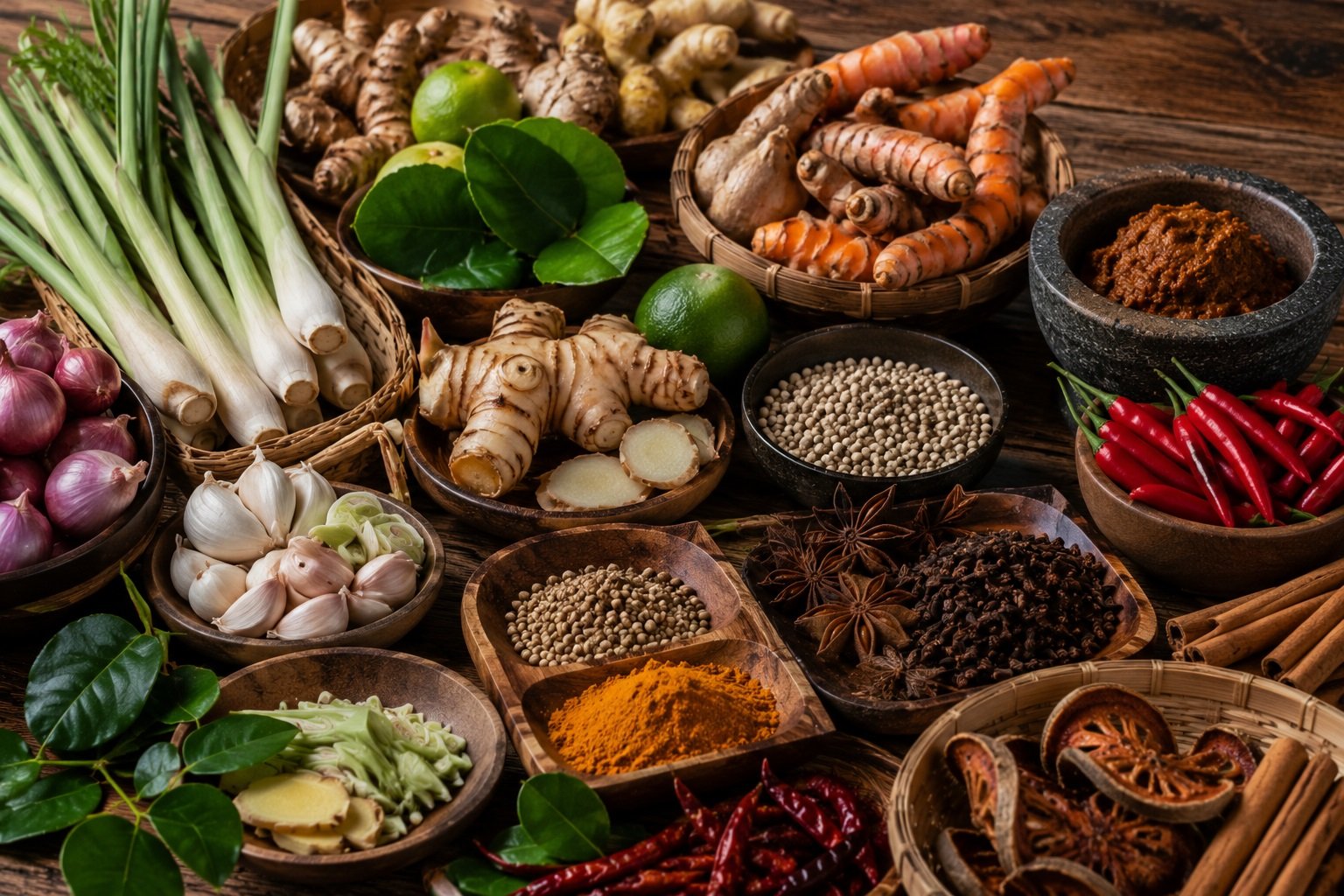
Many Western cooks rely on dry powders from the pantry to build flavor. However, Southeast Asian cooking takes a different route by choosing live plants. For example, fresh lemongrass packed with natural oils gives a bright lemony punch.
In addition, galangal offers a sharp pine scent that regular ginger just cannot match. This tough root releases a woody fragrance the second you slice it.
Furthermore, kaffir lime leaves add a crazy intense citrus vibe because they hold tons of natural oil.
Consequently, these fresh ingredients keep all their natural juices intact. Dry spices lose these light oils when they dry out. Therefore, crushing fresh plants creates a way bigger scent than using dry powders.
Authentic Flavor Base is the Key
The real magic happens when you mix the base paste by hand. Home cooks always use a heavy stone mortar and pestle to smash their raw ingredients. Surprisingly, this slow pounding serves a huge purpose.
First, the heavy stone breaks open the plant cells perfectly. This method lets the trapped oils out without warming them up.
Next, fast electric blenders chop things too quickly, which creates friction and ruins the fresh juice.
Moreover, cooks often throw in savory items or specific halal food options to build serious depth.
After that, the paste hits hot oil in a big wok. This quick fry wakes up the flavor compounds instantly. The sudden heat fills the room with a massive cloud of delicious perfume within seconds.
Scent Itself is a Complete Dining Experience
Science proves that our sense of smell handles most of how we taste food. Actually, your nose handles up to eighty percent of the flavor experience. Southeast Asian chefs understand this human trait perfectly.
For instance, the quick sniff of a hot soup bowl makes your mouth water instantly. This fast reaction gets your stomach ready to digest the food well.
In addition, the complex smells hit the emotional parts of your brain. The bright lemongrass notes wake you up while warm cumin feels cozy.
As a result, the food feeds your soul before your first bite. The lasting smell stays in your mind and makes you crave the dish later.
Essential Traditional Spices
Besides the fresh green herbs, a few dry items provide much-needed warmth. These ingredients balance the bright citrus notes with deep earthiness.
- Star Anise: This cool little pod gives a sweet licorice flavor to slow-cooked soups.
- Coriander Seeds: These tiny seeds bring a soft woody smell with a sweet citrus twist when toasted.
- Turmeric Root: This bright yellow root adds a strong, earthy taste along with its famous gold color.
- Cumin Seeds: This old-school spice brings a heavy warmth that balances sharp lime juice.
Regional Profile Variations
Every country in the region mixes these pieces to create its own food identity. Small changes in the recipe create totally different experiences across borders.
| Country | Primary Aromatics | Famous Scented Dish |
| Thailand | Lemongrass, Kaffir Lime, Galangal | Tom Yum Goong |
| Malaysia | Turmeric, Lemongrass, Shallots | Beef Rendang |
| Vietnam | Star Anise, Cinnamon, Ginger | Beef Pho |
| Indonesia | Nutmeg, Cloves, Garlic | Soto Ayam |
Sourcing and Authentication
Getting the right ingredients matters a lot if you want to cook these dishes at home. You should check out local Asian markets to find fresh roots and leaves.
Always pick firm galangal pieces and bright green lime leaves. Using real ingredients ensures your home cooking hits the right flavor spot every time.
Frequently Asked Questions
How do fresh aromatics like lemongrass, galangal, and kaffir lime leaves drive the fragrance of Southeast Asian food compared to dry spices?
Fresh aromatics hold watery oils that fly into the air the moment you smash them. Dried spices lose these bright top smells during processing. Consequently, fresh plants give a bright citrus kick while dry spices offer a heavy background note.
What is the secret behind building an authentic flavor base in Southeast Asian cooking?
The big secret is using a heavy stone mortar and pestle to crush everything completely. This manual smashing coaxes out the natural juices without cutting them with hot metal blades. Furthermore, frying the paste in clean oil wakes up the rich scents properly.
Why does the distinct aroma of Southeast Asian dishes play such a massive role in creating appetite and enhancing the overall dining experience?
The human nose controls most of what we think we taste through our breathing paths. The traveling smell molecules hit your nose receptors and tell your brain you are hungry. Thus, the strong scent builds excitement and makes the actual food taste way better.
Conclusion
The killer scent of Southeast Asian food shows a beautiful marriage of nature and cooking history. Chefs use local plants to build amazing sensory journeys that define their culture.
By learning how these natural oils work, anyone can master this fun style of cooking. Fortunately, Turkey Berry Halal Food solves all the problems by serving authentic halal food.
Ultimately, keeping these old food traditions alive protects a delicious, fragrant history for years to come.