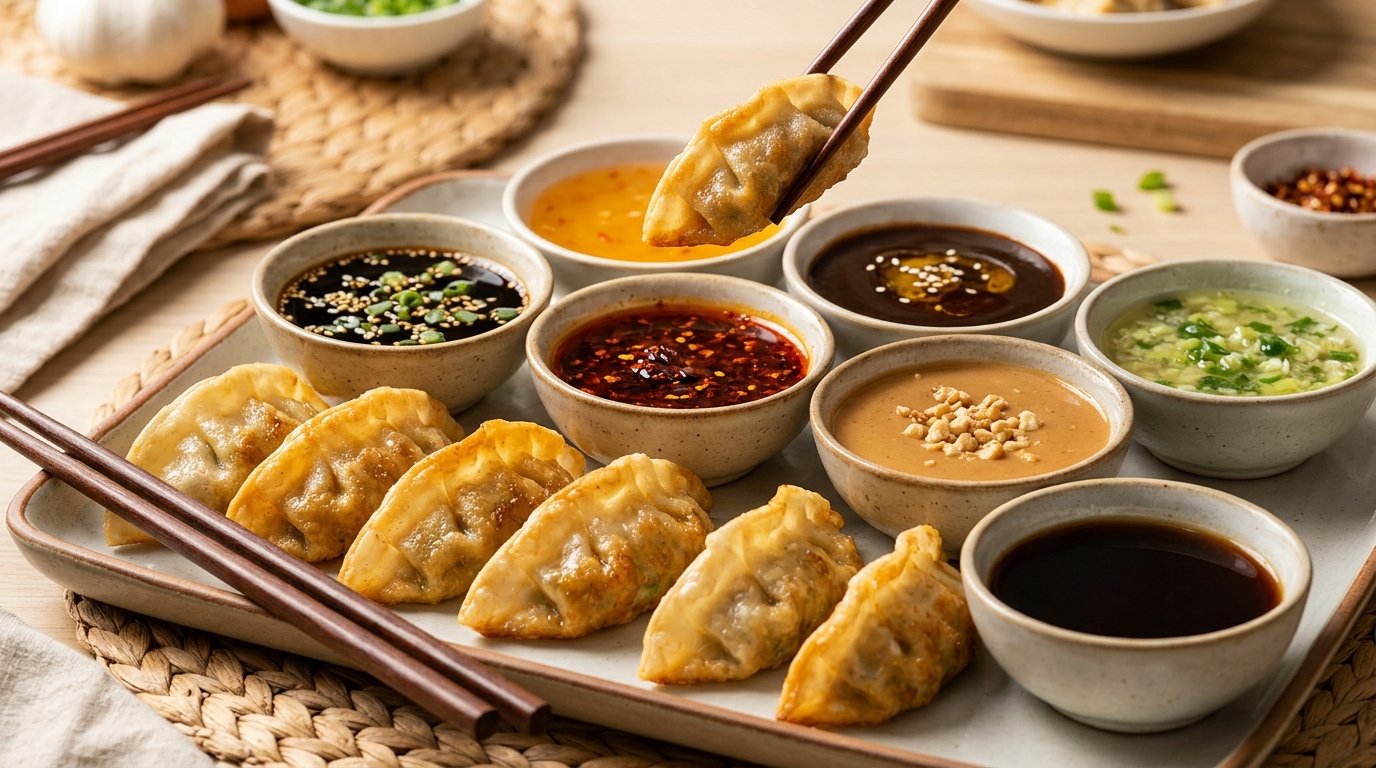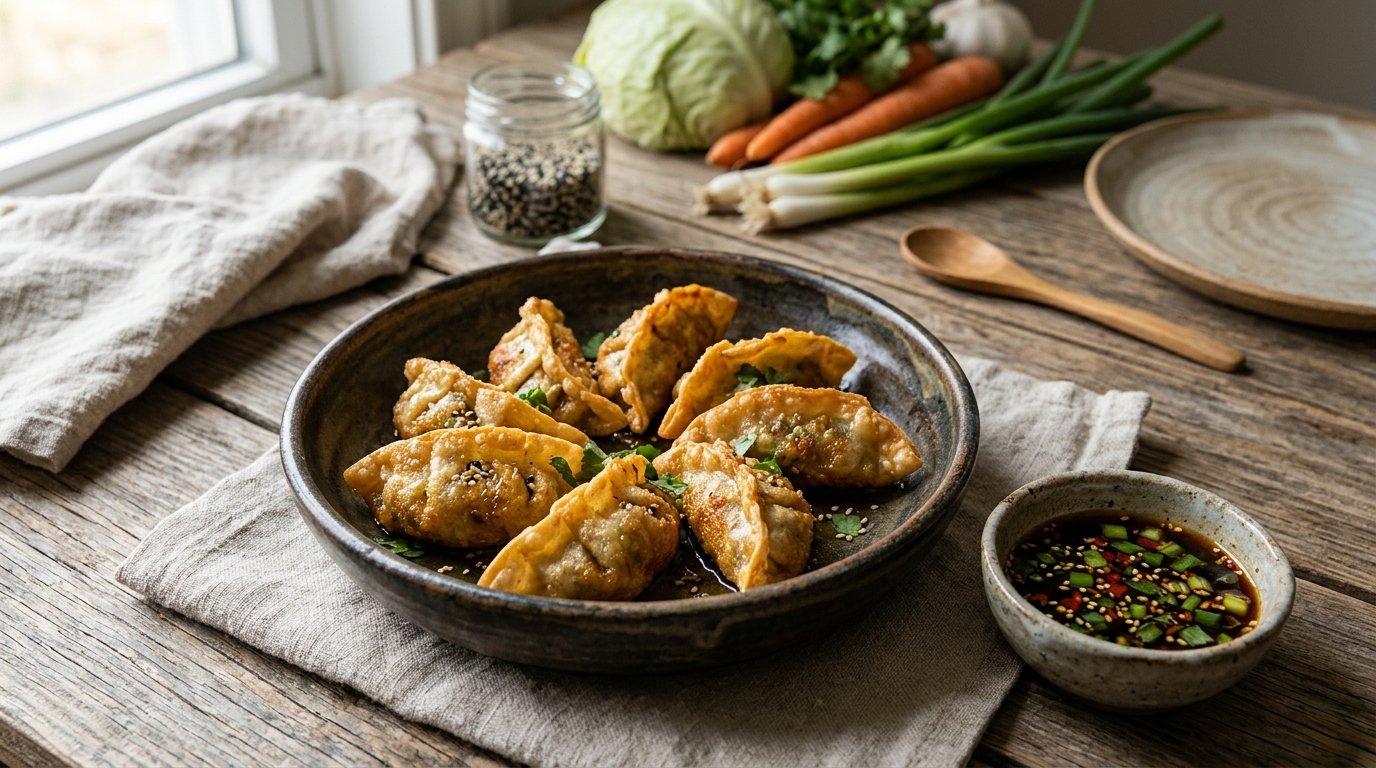
A bowl of dumplings sitting in a tangy, spicy broth sounds unusual to anyone who has only had momos the regular way.
That is exactly what makes jhol momos stand out from the rest of the dumpling world. Instead of a dry dipping sauce on the side, these momos swim in a thin, flavorful broth. It changes the entire eating experience.
Momos already have a strong following across South Asia, and jhol momos take that love one step further.
Originally from Nepal, this dish has spread across Nepali and Tibetan communities. It has now shown up on menus far beyond that region. This guide covers what jhol momos actually are, what goes into the broth, and how restaurants typically serve them.
What Makes Jhol Momos Different
Jhol simply means soup or broth in Nepali, and that word tells you exactly what sets this dish apart. Regular momos get steamed or fried and served with a side of achar or chili sauce for dipping.
Jhol momos, on the other hand, sit directly in a warm, tangy broth that soaks into the dumpling skin as you eat. Because the broth plays such a central role here, it needs real depth of flavor to work. A thin, watery liquid would leave the dish feeling incomplete.
So, the broth typically gets built from roasted tomatoes, sesame seeds, and a blend of spices that give it a tangy, slightly smoky character.
The dumplings themselves usually stay the same as classic momos. Usually, these are filled with spiced minced meat or vegetables wrapped in a simple flour dough.
Therefore, the real difference comes entirely from how the dish gets finished and served, not from the dumpling itself.
Curious to try this dish for yourself? Check out the full menu at Turkey Berry Halal and see what jhol momos look like done right.
What Goes Into the Broth
Tomatoes form the backbone of most jhol broths, and cooks usually roast or char them first to build a deeper, smokier flavor. This step matters because raw tomatoes can leave the broth tasting flat and thin. Once the tomatoes soften and develop a smoky flavor, cooks blend them into a base that carries the rest of the seasoning.
Sesame seeds and timur, a Nepali spice related to Sichuan peppercorn, often go into the broth too. Timur brings a distinct tingling heat that sets jhol momos apart from momos served with a standard chili sauce.
Because this spice is not common outside South Asian cooking, it gives the dish a flavor that feels genuinely unique rather than just spicy for the sake of it.
Garlic, ginger, and dried red chilies round out the base, while a splash of mustard oil or regular cooking oil adds richness. Some versions also include ground peanuts or sesame paste, which thickens the broth slightly and adds a subtle nuttiness. Consequently, the final result tastes layered rather than one-note hot.
Why the Broth Gets Poured Hot
A good jhol broth gets poured over the dumplings while still hot, right before serving. This timing matters because the heat helps the flavors soak into the dumpling skin without making it fall apart. Serving the broth lukewarm or cold would leave the dish missing that warm, comforting quality people expect from it.
How Restaurants Typically Serve This Dish
Most restaurants serve jhol momos in a wide, shallow bowl rather than a plate, since the broth needs somewhere to pool around the dumplings. A typical serving includes anywhere from six to ten dumplings, fully submerged or partially covered in broth depending on the restaurant’s style.
Garnishes add a final layer of freshness on top. Chopped cilantro, thinly sliced green chilies, and sometimes a scattering of sesame seeds finish the dish visually and add a bit of brightness against the rich broth underneath. A wedge of lime on the side lets diners adjust the acidity to their own taste.
Since the dish works as both an appetizer and a light meal, portion sizes vary quite a bit between restaurants. Some restaurants serve it as a smaller starter for sharing, while others treat it as a full, satisfying bowl on its own.
Either way, a spoon usually comes alongside the dumplings so diners can scoop up the broth along with each bite.
Ready to taste this dish for yourself? Visit Turkey Berry Halal and order jhol momos fresh off the menu today.
Why This Dish Has Grown So Popular
Social media has played a real role in pushing jhol momos beyond their original Nepali and Tibetan communities. The dish photographs well, with its bright red broth and visible spices, and that visual appeal has helped it travel across food blogs and short video platforms over the past few years.
Beyond the visual appeal, the actual flavor keeps people coming back. Because the combination of tangy, spicy, and savory notes hits several cravings at once, jhol momos tend to satisfy in a way that plain steamed dumplings sometimes do not.
This versatility has helped the dish earn a spot on more diverse restaurant menus, not just specifically Nepali or Tibetan ones.
Weather also plays a part in its popularity. A warm, spicy broth feels especially comforting during colder months, which explains why many people first discover this dish during winter. However, its bold flavor keeps it in demand year-round for anyone who already knows what they are missing.
Final Thoughts
Jhol momos bring something genuinely different to the dumpling world, trading a dry dipping sauce for a rich, tangy broth that changes the entire bite.
From the roasted tomato base to the distinct heat of timur spice, every element of this dish works together to create something memorable.
Turkey Berry Halal serves jhol momos made fresh, with a broth built the traditional way for real depth of flavor. Order online or come by; you will love these for your late-night cravings and binges.