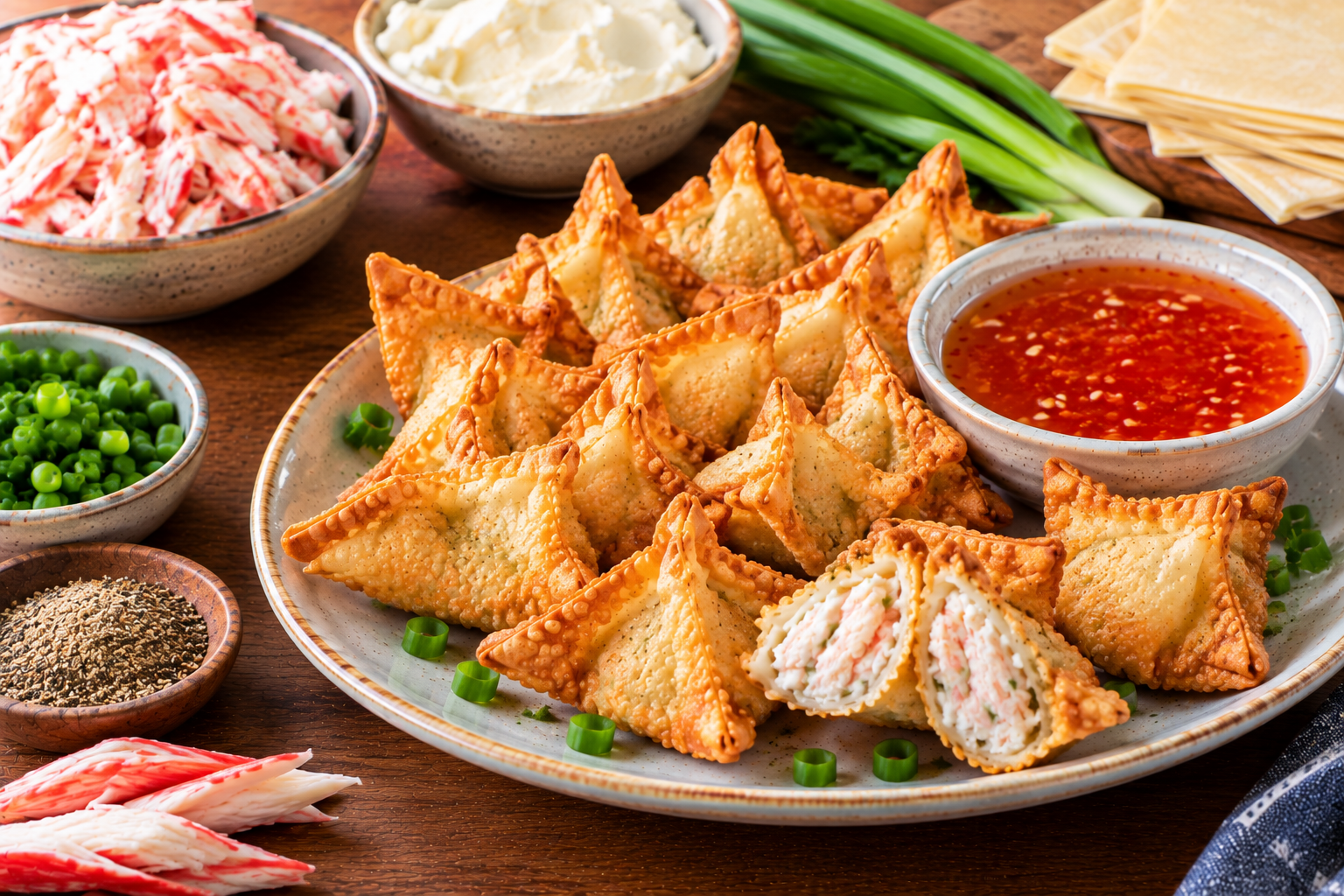
Order a platter of these golden, crispy pockets at any Chinese restaurant and watch them disappear before the main course arrives.
Crab Rangoon has earned its spot as one of America’s favorite appetizers for good reason. The crunchy shell, the creamy filling, and that first hot bite keep people coming back for more.
But here is the funny thing about this beloved dish. Despite its Asian sounding name, it was born in American kitchens. Let us dig into what Crab Rangoon really is, what goes inside it, and why it tastes so good.
Strange Origin Story of a Takeout Favorite
Most people assume Crab Rangoon traveled here from China or Burma. The truth is far more interesting.
Food historians trace this dish back to the tiki bar craze of the 1950s. Trader Vic, the famous restaurant chain, gets most of the credit for inventing it.
Back then, American diners went wild for anything that sounded tropical or exotic. Restaurant owners responded with fusion dishes that mixed Asian cooking styles with ingredients Americans already loved.
Cream cheese sits at the heart of this story. Traditional Chinese and Burmese kitchens never used cream cheese at all. It is a purely American addition that somehow worked beautifully inside a fried wonton wrapper.
The name Rangoon points to the old capital of Burma, now called Yangon, but the dish itself has zero connection to Burmese cuisine. The name simply sounded adventurous on a 1950s menu.
Another surprise involves the crab itself. Early versions likely used real crab meat, but most takeout spots today rely on imitation crab made from fish. It costs less and holds up well during frying.
That said, restaurants that still use genuine lump crab produce a noticeably sweeter, more delicate filling.
So, the next time someone tells you Crab Rangoon is authentic Asian food, you can share the real story. It is a true American original that borrowed Asian technique and turned it into something entirely new.
Hungry already? Take a look at a local halal menu and see how fresh preparation changes everything.
What Actually Goes Inside Those Crispy Pockets
The ingredient list for Crab Rangoon stays surprisingly simple. Yet small choices in the kitchen make a huge difference in the final result.
Cream cheese forms the base of nearly every recipe. Chefs soften it first so it blends smoothly with the other ingredients. Full-fat cream cheese delivers the richest texture, though some lighter versions exist for health-conscious diners.
Then comes the crab. As mentioned, imitation crab dominates most takeout orders. It has a mild flavor and firm texture that many people actually prefer.
Real crab meat costs more but rewards you with natural sweetness in every bite. Some kitchens mix both to balance flavor and budget.
Seasonings give each restaurant its own signature taste. Minced garlic and sliced scallions appear in almost every version. Soy sauce, Worcestershire sauce, and white pepper add depth. A pinch of sugar sometimes rounds out the flavor and highlights the sweetness of the crab.
The wrapper deserves attention too. Thin wonton wrappers fry up light and shatteringly crisp. Some kitchens use egg roll wrappers cut smaller for a thicker, chewier bite. Neither option is wrong, but the texture difference is easy to spot.
Folding style varies from place to place. You will see simple triangles, little pouches, and flower shapes with twisted tops. Whatever the shape, the seal must hold tight. A poorly sealed Rangoon leaks filling into the fryer and ruins the batch.
Finally, oil temperature separates the pros from the amateurs. The sweet spot sits right around 350 degrees. Too cool and the wrapper turns greasy. Too hot and the outside burns before the filling warms through.
How to Enjoy Crab Rangoon Like a Pro
Serving style and pairings can turn a good appetizer into a great one.
Nearly every restaurant serves Crab Rangoon with sweet and sour sauce or duck sauce. The tangy sweetness cuts through the rich cream cheese perfectly.
Some places add a spicy kick with chili garlic sauce or sriracha mayo. Do not skip the dip; it completes the bite.
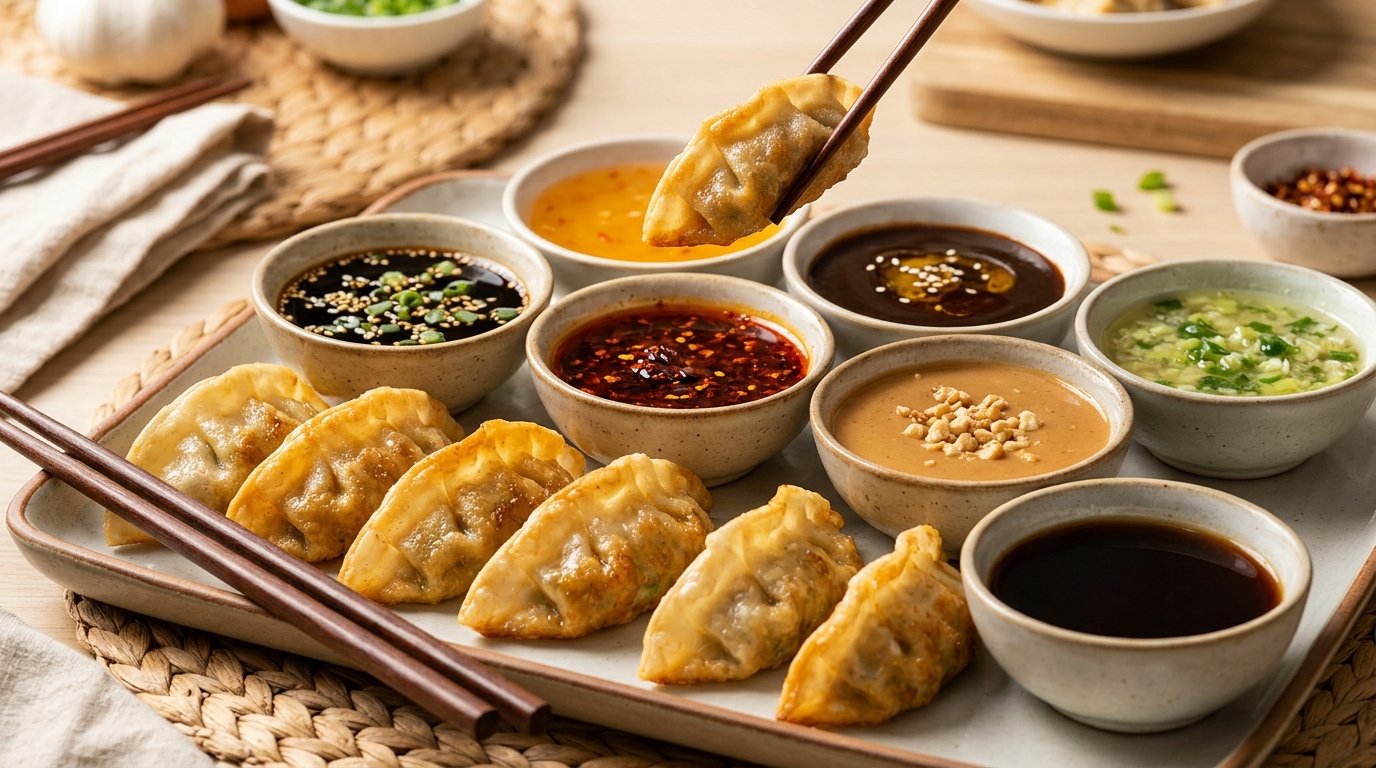
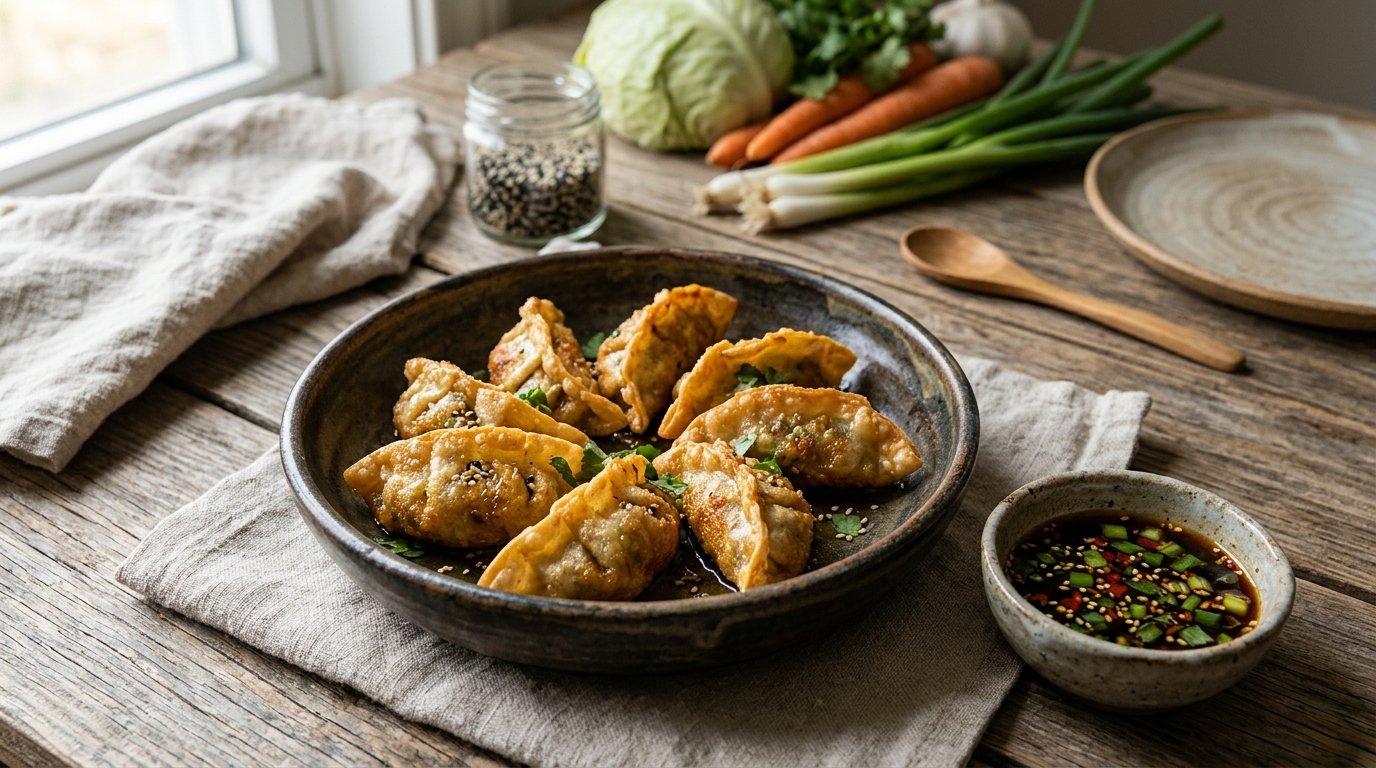
Pairing this appetizer with other starters creates a shareable spread. Egg rolls, spring rolls, dumplings, and wings all play nicely together. Mixing crispy items with soft ones keeps the table interesting.
As part of a full meal, Crab Rangoon works beautifully before fried rice, Lo Mein, or steamed jasmine rice. The richness of the filling balances lighter noodle dishes without overwhelming them.
Drinks matter more than most people think. Iced jasmine tea cleanses the palate between bites. Something fruity like lychee or mango juice echoes the tropical roots of the dish.
Here is a tip worth remembering. Crab Rangoon tastes best within minutes of leaving the fryer. If you are getting takeout, ask for the sauce packed separately. This keeps the wrappers crisp during the drive home instead of turning them soggy.
Portion planning helps too. Most adults eat three or four pieces comfortably. One dozen feeds a group of three or four when you add other dishes to the table.
What Halal Diners Should Know Before Ordering
Muslim diners often wonder whether Crab Rangoon fits halal guidelines. The answer depends on the kitchen, so a little homework goes a long way.
On its own, the core ingredients cause few problems. Cream cheese, wonton wrappers, garlic, and scallions all pass easily. The questions start with the crab meat and the cooking oil.
Imitation crab comes from processed fish, which most halal authorities accept. Worcestershire sauce contains anchovies, and those are fish too. However, processing methods vary between brands, so careful kitchens verify their suppliers.
Cross-contamination raises a bigger concern. Many standard restaurants fry everything in shared oil. That means your Rangoon might share a fryer with pork-based items.
This is where dedicated halal kitchens make a real difference. They maintain separate fryers, verify every ingredient, and follow strict preparation standards from start to finish.
Finding a trustworthy spot takes minimal effort. Look for restaurants that display halal certification or clearly explain their practices.
Reviews help too. Words like fresh, crispy, and generous filling usually signal a kitchen that cares about quality. Diner photos reveal whether the wrappers turn golden or arrive pale and greasy.
When in doubt, ask questions before you order. A good restaurant answers happily.
Conclusion
Crab Rangoon carries a fun history, a simple ingredient list, and a taste that keeps it near the top of every takeout order. Now you know the real story behind it and what separates a great batch from a forgettable one.
Order it hot, dip it generously, and share the origin story with your table. For Crab Rangoon made with certified halal ingredients and real attention to freshness, Turkey Berry Halal is worth a visit.
Browse their menu today and taste how much quality matters in this classic appetizer.